
Ethnic inequalities in health care for people with multiple health conditions
Funded by The Health Foundation (2020-2023)
Project details
Background
There is now unequivocal evidence documenting ethnic inequalities in health in the UK, whereby most ethnic minoritised groups have poorer physical and mental health than the white majority group. Ethnic inequalities in health can be largely explained by underlying social and economic inequalities, and experiences of racial discrimination.
A growing body of evidence is now beginning to document ethnic inequalities in health care, with studies reporting ethnic inequalities in access to and satisfaction with primary and secondary services. Ethnic inequalities in access to mental health services are markedly stark. Amid these alarming ethnic inequalities in health and health care, there is the concern that ethnic inequalities may be even worse for people with multiple conditions, but there is little evidence to document this. In this project we sought to understand whether there were ethnic inequalities in health care among people with multiple health conditions, and identify where care could be improved and ethnic inequalities addressed.
Aims
The overall aim of this project was to contribute to reducing ethnic inequalities in health care quality, by providing solid evidence regarding the inequalities that currently exist. Specific aims were:
To use nationally representative data to provide an up-to-date description of how multiple conditions vary across ethnic groups in the UK;
To describe ethnic differences in health care utilisation, access, and quality for people with multiple conditions;
To make the evidence on ethnic inequalities in health care for people with multiple conditions accessible to policy/practitioner/public as well as academic audiences
Methods
In order to achieve these aims we reviewed the evidence on ethnic inequalities in health and health care among people with multiple conditions; summarised the evidence on health service initiatives within the UK to reduce or contain ethnic inequalities in health care utilisation and/or health outcomes of relevance for people with multiple conditions; and analysed survey data and electronic health records to address gaps identified in the literature review.
Key findings
We found sizeable numbers of people from minoritised ethnic groups living with MLTC.
Our research showed that continuity of care is less available to some ethnic minority groups, including for people with MLTCs.
Exclusion from the Quality and Outcomes Framework program means that we are less able to have high quality intelligence that leads to improved health care which at best maintain the state of health inequalities and at worst, exacerbates them.
We identified poor patient experience for minoritised ethnic people with MLTC which may exacerbate the inequalities that we uncovered.
Within the health care setting, there may be opportunities to target clinical and self-management support for people with multiple conditions from minoritised ethnic groups.
Outputs
The study generated several publications all of which can be found on our Outputs page
Meet the Team
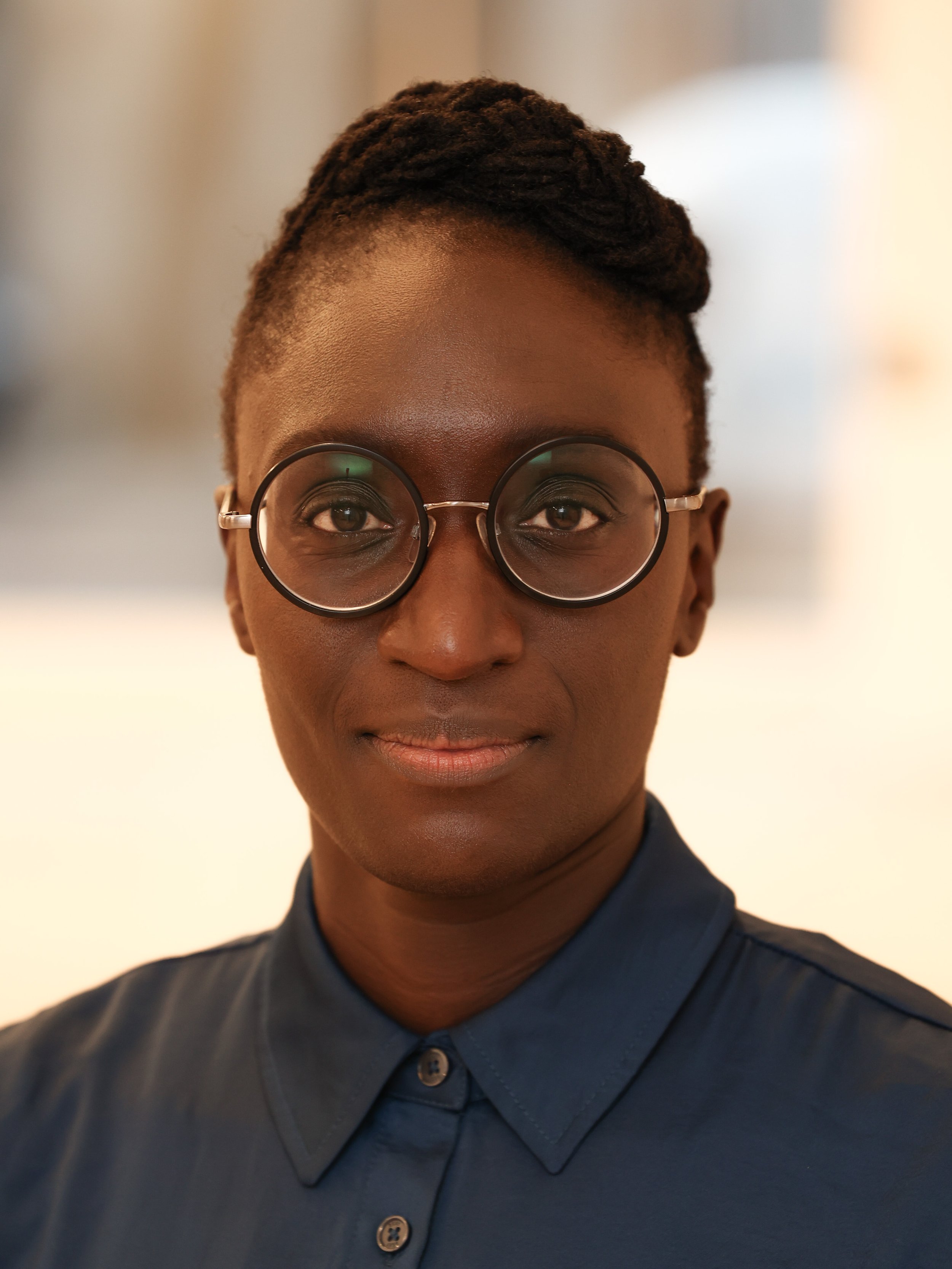
Dr Brenda Hayanga
Brenda is a research fellow based at the department of Global Health and Social Medicine, King's College London. Her research interests include understanding the impact of health and socio-economic inequalities on people from minoritised ethnic groups and how these play out in later life.
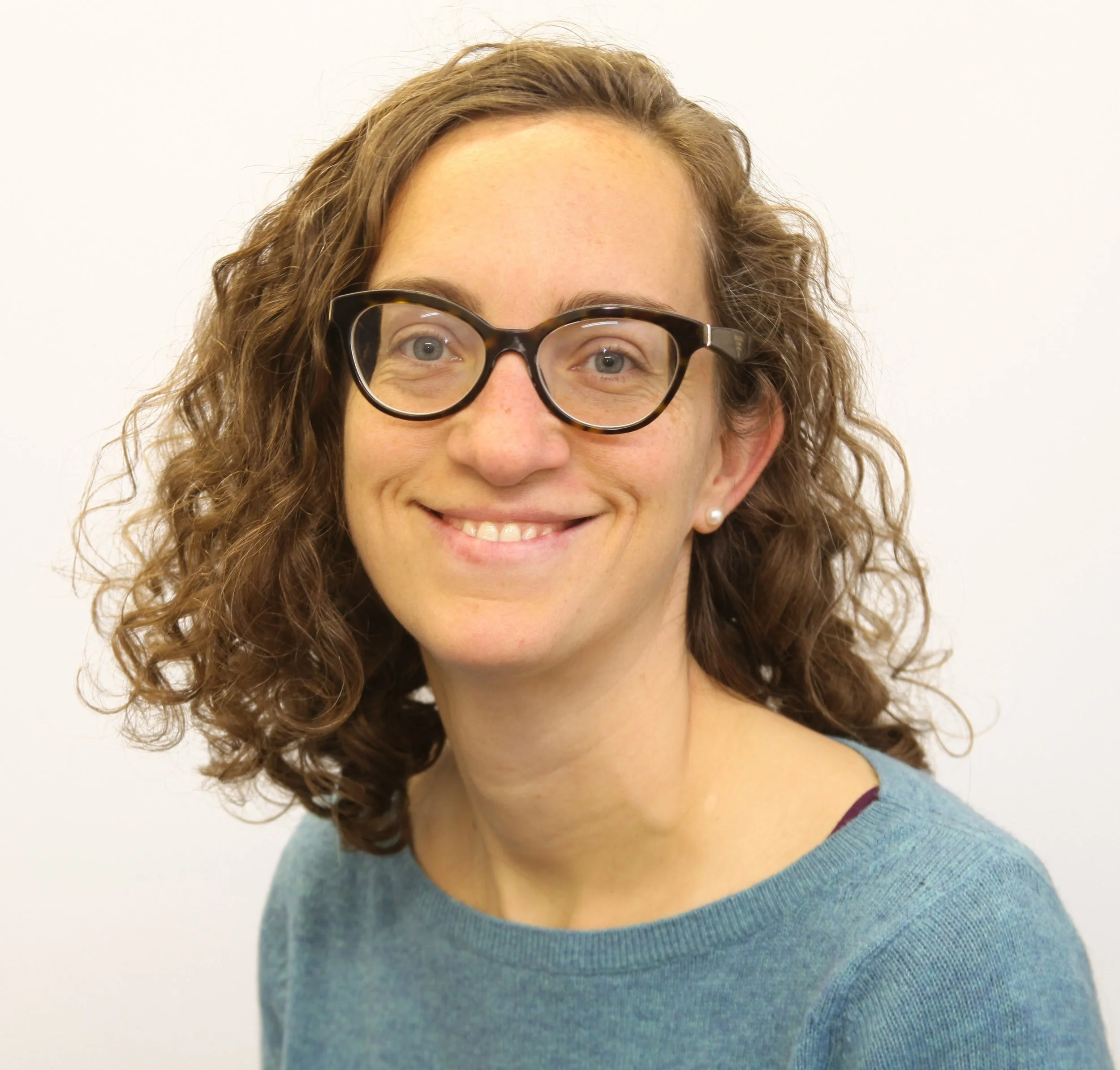
Prof Laia Becares
Laia was the study's Principal Investigator. She is a Professor of Social Science and Health at the department of Global Health & Social Medicine, King's College London. Laia’s research interests centre around understanding the determinants of inequities in health, with a focus on life course effects

Dr Mai Stafford
Mai was at the Health Foundation, in the Data Analytics team, involved in a programme of work on inequalities in health and health care. The Health Foundation is an independent charity committed to bringing about better health and health care for people in the UK.

The Advisory Board
The project was guided by an Advisory Board composed of academic and clinical experts, members of charities working with people from minoritised ethnic groups and public health officials.
The aim of the advisory board was to help maximise the impact of the study by:
sharing information on external factors to help shape priorities for data analysis;
probing the data, methods, and interpretation to ensure they are robust and defensible;
suggesting avenues for dissemination and helping to promote study outputs;
being a forum to bring together various organisations to broaden understanding of the ethnic inequalities field
Members of the Advisory Board