

Understanding the lived experiences and support needs of minoritised ethnic people with multiple long-term conditions
(2025-2027)
Project details
Background
This study follows from the results of the first study, whose combined findings are suggestive of racial/ethnic inequalities in the prevalence and impact of multiple long-term conditions (MLTCs). Racially/ethnic minoritised people are also more likely than white majority people to report poor care quality, dissatisfaction primary care, and lack of support to manage their long-term conditions. Within the health care setting, there may be opportunities to target clinical and self-management support for people with multiple conditions from minoritised ethnic groups. Despite this, not much is known about what racially/ethnically minoritised people with MLTC need in order to help them manage their conditions.
Aims
The aim of this study is to advance understanding and transform how healthcare providers construct, respond to, and support racially/ethnic minoritised people with multiple long-term conditions (MLTCs) in local and national contexts. We will address this aim by
1. exploring how people from racial/ethnic minoritised groups with MLTCs and their carers understand and conceptualise MLTCs.
2. identifying the range of needs, views and circumstances that influence management of their MLTCs.
3. identifying how they want to be supported by healthcare providers to manage MLTCs.
4. examining the processes preventing/enabling healthcare professionals to adequately support racially/ethnic minoritised people with MLTCs.
Methods
This study will use narrative interviews and journey mapping guided by an intersectionality framework to produce an in-depth understanding of the experiences and challenges of managing MLTCs from the perspective of minoritised ethnic people with MLTCs, carers, community leaders, healthcare professionals and policymakers in London, Coventry and Manchester.
Note: We are currently receiving expressions of interest for the INTERCEPTION study. Find out how to get involved.
Our Team
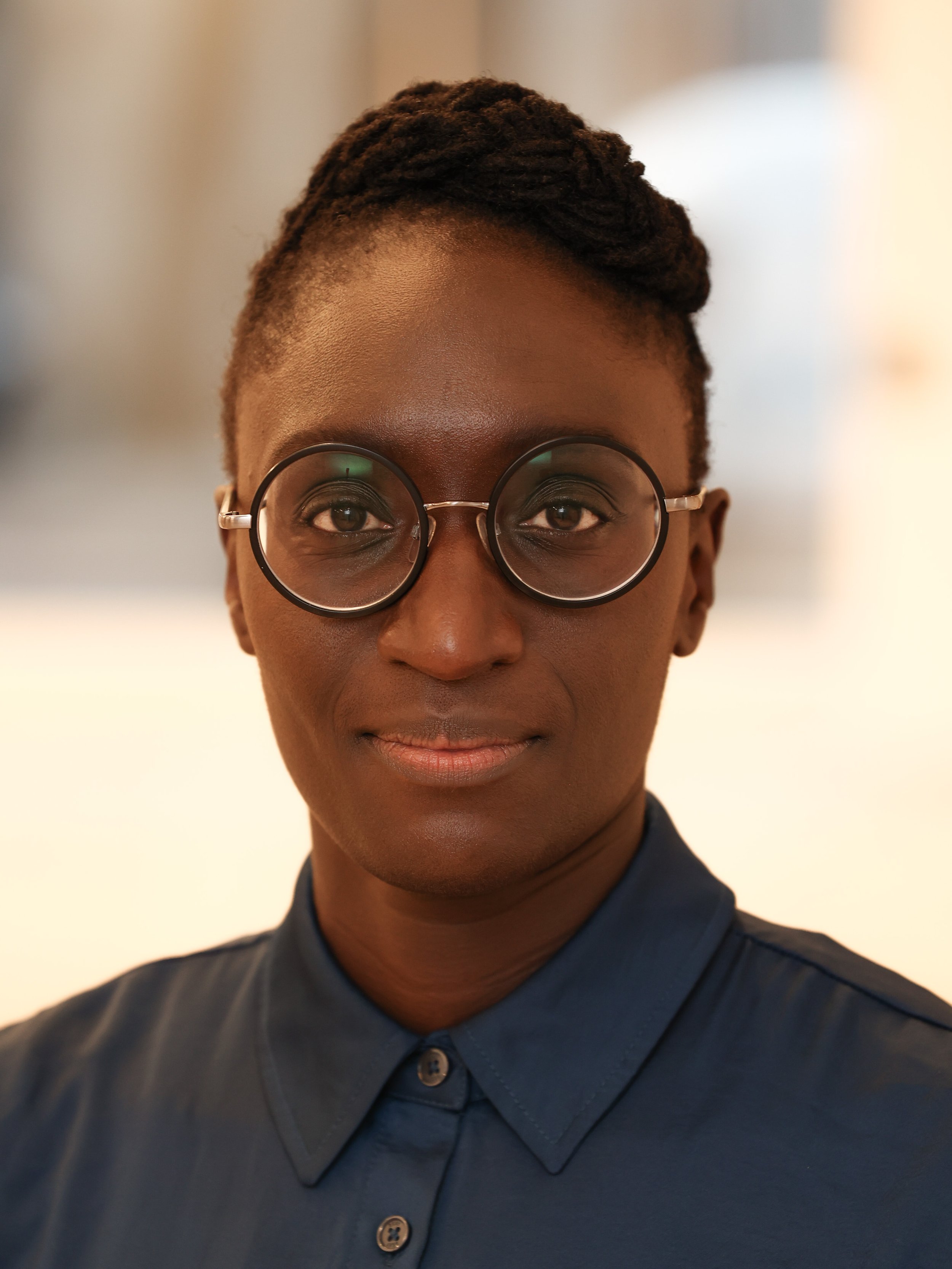
Dr Brenda Hayanga
Brenda is a Research Fellow based at the Department of Global Health & Social Medicine, King's College London. Her research focuses on understanding health and socio-economic inequalities among people from minoritised ethnic groups from an interdisciplinary, multi-level perspective and how these play out in later life.
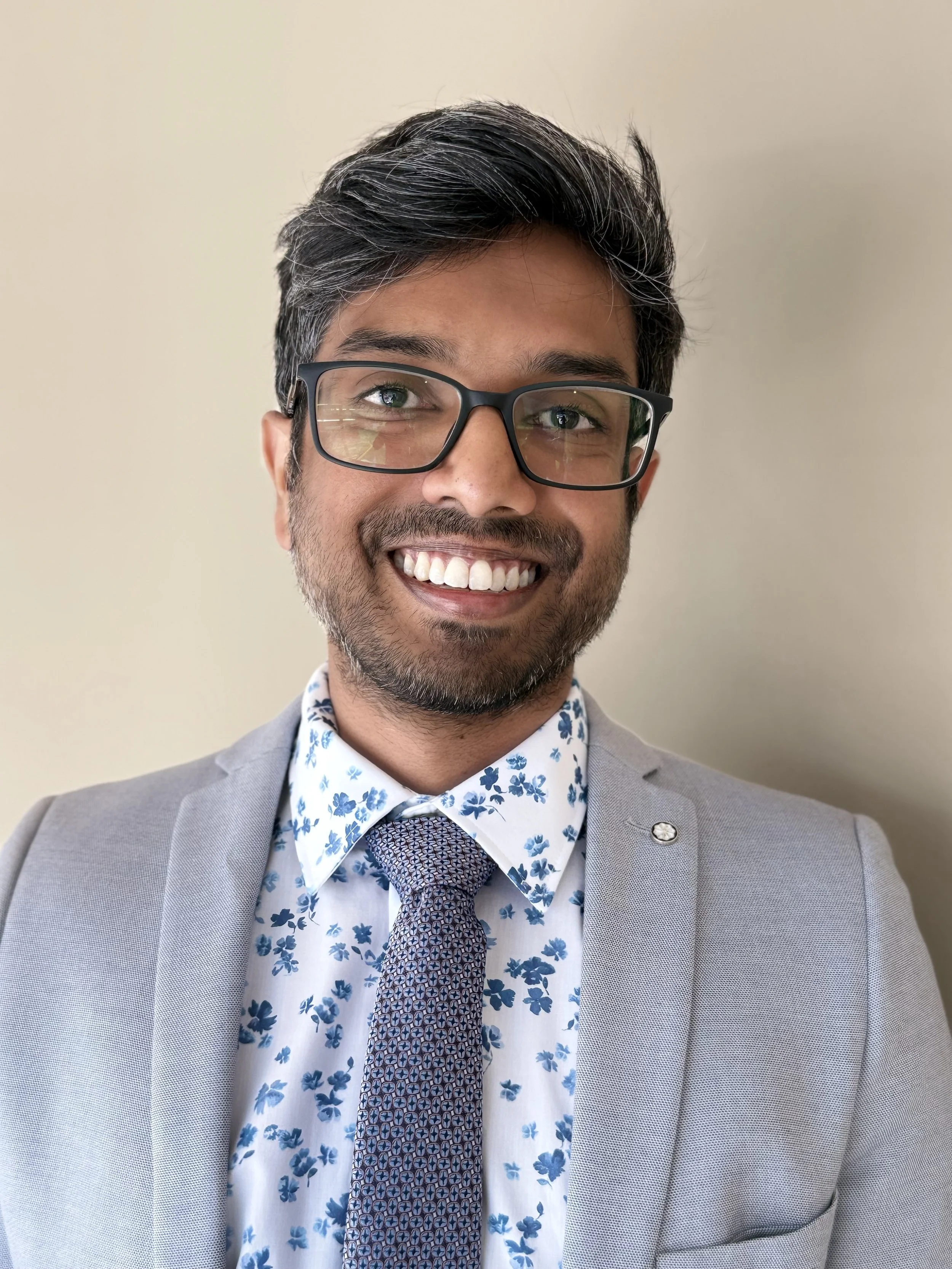
Dr Sujith Kumar Prankumar
Sujith is a Postdoctoral Research Associate based at the Department of Global Health & Social Medicine, King's College London. A health sociologist with additional training in religion, philosophy and human rights, his research focuses on social difference, inequality, and the lived experiences of health and illness, particularly among minoritised communities.

The Advisory Board
The Advisory Group consists of members of the public, clinical and academic experts and members of external organisations which strive to reduce inequities in health(care)
The advisory board members provide input on the research process including highlighting priorities that need to be addressed to tackle inequities in healthcare for minoritised ethnic group people with MLTCs, interpreting study findings, dissemination, and identifying best practice. The advisory group is integral for guiding the research and ensuring that the project is responsive to the needs of minoritised ethnic people with MLTCs and their carers.
Collaborators

Diversity Resource International (DRI) is a non-profit Community Interest Company that supports ethnically diverse and migrant communities. They will support dissemination and community engagement efforts.
The Race Equality Foundation is an independent, national and Black, Asian and minoritised ethnic led charity that aims to positively transform the lives of people from minoritised ethnic communities. They will provide guidance to ensure the findings are relevant for policy and practice.